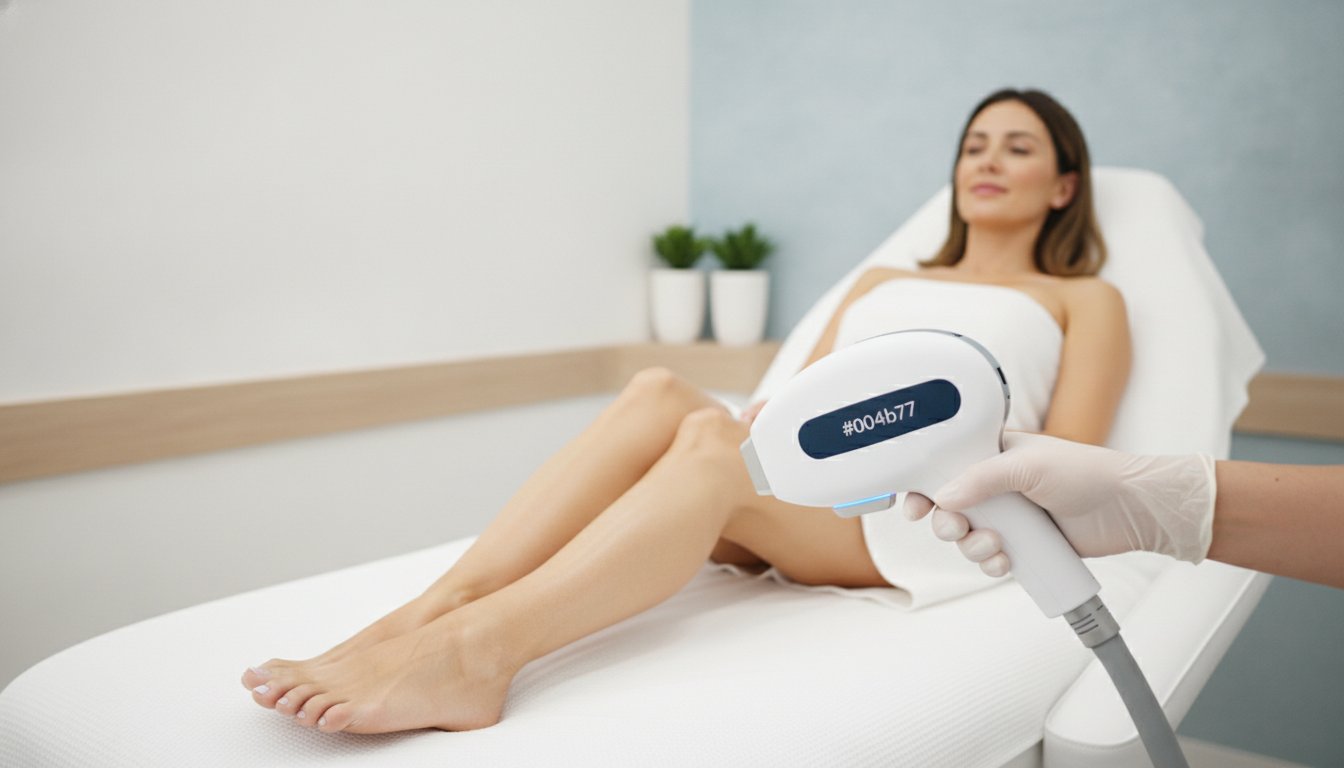
What if the most intimidating part of your beauty ritual became the most effortless? Many clients arrive at our clinic with a lingering fear of intense heat or memories of uncomfortable salon-grade IPL sessions. It’s perfectly natural to feel anxious about sensitive areas like the bikini line, especially when outdated myths about the procedure still circulate. One of the first questions we always address is, does laser hair removal hurt in the modern clinical landscape?
We’ve entered a new era of aesthetic precision where discomfort is no longer a requirement for results. This guide provides a transparent 2026 reality check on the experience, moving away from the “rubber band snap” clichés of the past. You’ll discover how medical-grade lasers with integrated cooling technology prioritise your comfort while delivering superior efficacy. We’ll walk you through a body-part sensitivity map, explain why the latest UK regulations ensure your safety, and provide actionable tips to keep your sessions completely serene. By the end, you’ll understand why our bespoke approach turns a once-dreaded task into a refined, comfortable ritual.
While this guide focuses on our London-based care, the principles of comfort and precision are universal; premium destinations like House of Beauty Austin in the United States also exemplify this dedication to high-end, client-focused beauty services.
Key Takeaways
- Understand the sensory profile of modern treatments, which blends a gentle thermal pulse with advanced cooling for a refreshing and manageable experience.
- Access a detailed sensitivity map to learn exactly how much does laser hair removal hurt across various body zones; this helps you prepare for your session with complete confidence.
- Discover why medical-grade technology and selective photothermolysis offer a more comfortable, precise alternative to traditional salon-grade IPL systems.
- Learn actionable preparation steps, including the importance of a close shave and skin hydration, to minimise sensitivity and enhance your final results.
- Recognise the value of a bespoke consultation in creating a tailored treatment plan that respects your individual comfort levels and skin requirements.
What Does Laser Hair Removal Actually Feel Like?
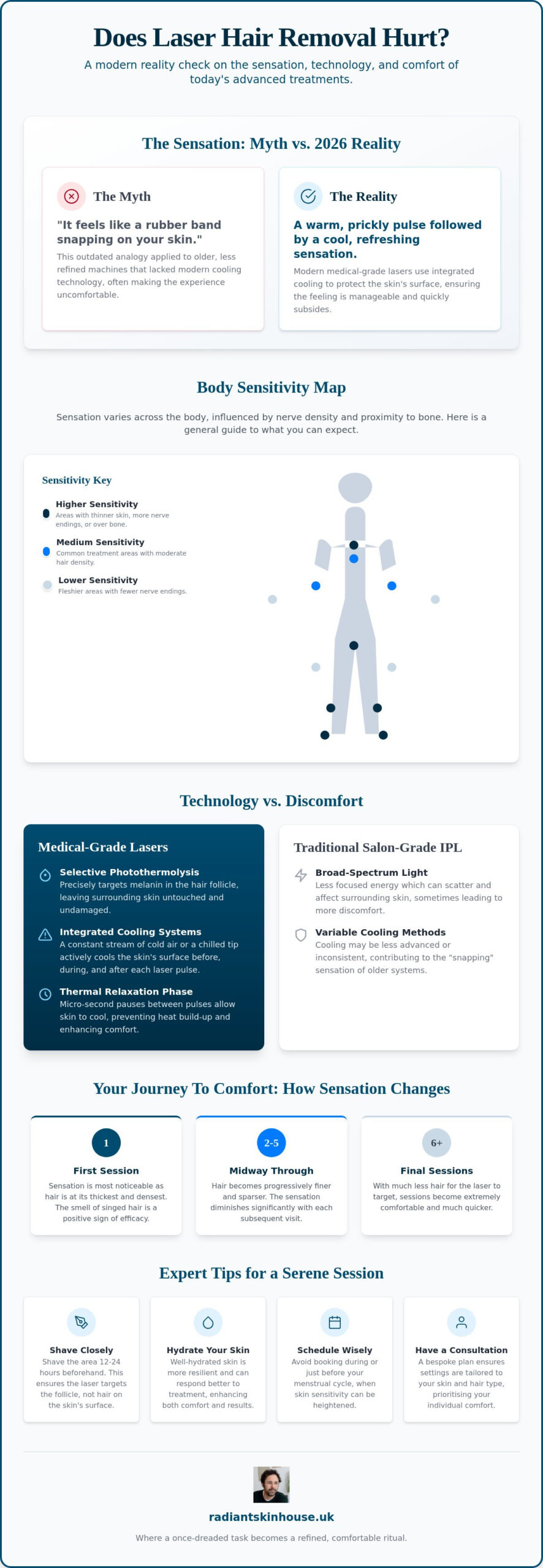
Understanding the physical sensation is the first step in alleviating anxiety. Unlike waxing, which relies on the mechanical pulling of hair from the follicle, laser technology is far more sophisticated. It uses the principle of selective photothermolysis to target the pigment in the hair root without damaging the surrounding skin. You’ll likely feel a series of rapid pings, which are immediately followed by a refreshing cooling mist. This dual action ensures that the skin’s surface remains protected and comfortable whilst the energy works beneath.
To see how this sensation translates into a real clinical experience, watch this helpful video:
Modern medical-grade lasers are designed with a built-in thermal relaxation phase. This is the precise micro-second where the skin is allowed to cool between laser pulses. It prevents heat from building up to an uncomfortable level, ensuring the procedure feels more like a warm, prickly sensation than actual pain. If you’ve ever wondered does laser hair removal hurt, the answer often lies in this clever management of heat. Afterwards, you might experience a mild warmth similar to a day spent in the sun, but this typically fades within a few hours.
The “Rubber Band Snap” Myth vs. Reality
The common analogy of a rubber band snapping against the skin is a bit of an overstatement for 2026 technology. Whilst it was accurate for older machines, today’s devices are much more refined. The intensity you feel is often linked to follicle size. Thicker, darker hair absorbs more energy, which can make the first few pulses feel more distinct. As your hair becomes finer and lighter over a course of 6 to 8 sessions, the sensation diminishes significantly. Each visit becomes progressively more comfortable because there is simply less hair for the laser to target.
Sensory Expectations During Your First Session
Your initial appointment is often the most noticeable because your hair density is at its peak. You might notice a faint smell of singed hair during the process. Don’t be alarmed; this is a positive indicator that the laser is effectively destroying the follicle. It’s helpful to distinguish between the sensation of heat and the sensation of pain. Most clients find the heat perfectly manageable, especially when they realise it’s a sign of clinical efficacy. By prioritising a calm environment and expert precision, we ensure your first experience is as effortless as possible. This transparency helps build trust, letting you know exactly what to expect from the moment the laser touches your skin.
The Pain Map: Which Body Areas Are Most Sensitive?
Whilst modern technology has revolutionised the experience, the answer to the question “does laser hair removal hurt” is rarely a simple yes or no. The sensation depends heavily on the geography of your body. Leading dermatologists often describe what laser hair removal feels like as a series of warm pinpricks, yet this experience shifts significantly as we move across the different zones of the skin. This variation is primarily due to nerve density and the proximity of the bone to the skin’s surface.
Anatomy plays a vital role in your comfort. Areas with a higher concentration of nociceptors, or pain-sensing nerve endings, will naturally feel the laser’s energy more acutely. Similarly, “bony” areas like the shins, ankles, and jawline tend to be more sensitive because there is less subcutaneous fat to cushion the pulse. In these spots, the sensation can feel more vibrant or resonant. Conversely, fleshier areas like the outer thighs or buttocks provide a natural buffer, making the treatment feel much milder.
Hormonal cycles are another transparent factor to consider. For many women, skin sensitivity peaks in the days immediately preceding and during their menstrual cycle. During this window, the body’s inflammatory response is higher, which can make a usually manageable session feel more intense. To ensure a calm and effortless experience, we often recommend scheduling your appointments mid-cycle when your pain threshold is typically at its highest.
The “Ouch” Factor for Face and Bikini
The face and bikini line are amongst the most reactive zones due to their thin skin and dense nerve networks. The upper lip, in particular, is a small but sensitive area that requires expert precision and rapid cooling to remain comfortable. For those choosing Hollywood or Brazilian treatments, the intimate nature of the area means we must be especially thoughtful. We utilise specialised cooling plates and bespoke laser settings to manage the heat effectively. If you’re feeling anxious about these delicate zones, a bespoke consultation allows us to adjust the parameters to match your individual tolerance perfectly.
For those seeking this level of specialised care in the Middle East, you can visit Laser & More to discover their premium approach to Brazilian and bikini laser treatments.
Low-Sensitivity Zones: Legs, Back, and Arms
In contrast, larger areas like the legs, back, and arms are frequently described as low-intensity zones. The skin here is generally thicker, and the hair follicles are often more widely spaced. Many of our clients in North London describe the sensation in these areas as a light, rhythmic tickle or a pleasant warmth. Because these zones are less sensitive, we can often use larger laser heads to complete the treatment quickly. A full back treatment for men, for example, is often completed in under 30 minutes. This speed, combined with integrated cooling, ensures that even the largest treatment areas feel more like a brief, warm ritual than a clinical endurance test.
Technology vs. Discomfort: Why Medical-Grade Lasers Win
Many high-street salons offer Intense Pulsed Light (IPL), which is often mistaken for true laser treatment. Whilst IPL uses a broad spectrum of light that scatters across the skin, a medical-grade laser emits a single, concentrated wavelength. This technical distinction is crucial when asking does laser hair removal hurt. Because IPL is less precise, it can inadvertently heat the surrounding skin tissue, leading to increased discomfort. In contrast, medical-grade technology is designed to target the melanin in the hair follicle with pinpoint accuracy, significantly reducing the risks and side effects associated with broader light treatments.
The secret to a comfortable session lies in selective photothermolysis. This scientific principle ensures that the laser energy is absorbed only by the hair root, leaving the epidermis virtually untouched. We use the Fitzpatrick scale to assess your skin type and hair colour, allowing us to tailor the pulse duration and energy levels to your specific biology. This level of bespoke customisation is what makes laser hair removal for dark skin both safe and effective. By selecting the correct wavelength, such as the Nd:YAG, we can bypass the melanin in the skin and focus purely on the follicle, preventing the “stinging” sensation often associated with less advanced equipment.
Integrated Cooling Systems: The Game Changer
One of the most significant advancements in 2026 clinical technology is the use of Dynamic Cooling Devices. These systems spray a micro-burst of cryogen onto the skin just milliseconds before the laser pulse. This action pre-cools the epidermis, numbing the area slightly and neutralising the heat of the laser energy. Other high-end machines utilise chilled sapphire tips that maintain a constant, refreshing temperature against your skin throughout the session. These sophisticated features are rarely found in budget, high-street settings, yet they are essential for ensuring your treatment feels like a refined ritual rather than a test of endurance.
Why Precision Matters for Pain Management
Precision isn’t just about the final results; it’s a fundamental part of your comfort. A medical-grade laser produces a coherent beam that doesn’t “leak” heat into the surrounding area. This prevents collateral heating, which is the primary cause of post-treatment sensitivity and that lingering “sunburn” feeling. By matching the laser’s pulse duration to the thermal relaxation time of your hair follicle, we ensure the energy is delivered efficiently. This means we can achieve permanent hair reduction in fewer sessions, with each appointment being faster and more comfortable than anything a salon-grade IPL could offer. The result is a more predictable, serene experience that respects your skin’s natural balance.
Preparation and Aftercare: Expert Tips to Minimise Pain
The journey to effortless, smooth skin begins long before you step into our clinic. If you find yourself asking does laser hair removal hurt, it’s vital to realise that your pre-session preparation is just as important as the technology we use. By following a structured comfort protocol, you can significantly reduce sensitivity and ensure your treatment feels like a refined, manageable experience rather than a daunting task.
A meticulous shave exactly 24 hours before your appointment is the most effective way to minimise surface heat. When hair is left above the skin’s surface, the laser energy is absorbed by the visible shaft, which can cause a sharp, unnecessary stinging sensation. By removing this “antenna,” you allow the laser to bypass the epidermis and target the root directly. Additionally, your internal hydration levels play a surprising role in skin resilience. Well-hydrated skin cells recover faster and are less reactive to thermal energy, whilst caffeine and alcohol should be avoided for at least 12 hours prior. Both substances are stimulants that can heighten your nervous system’s sensitivity, making the rhythmic pulses of the laser feel more pronounced than they otherwise would.
The 24-Hour Pre-Laser Protocol
Your follicle must be present for the laser to be effective, so it’s essential that you stop waxing, plucking, or using epilators at least four weeks before your session. Shaving is the only permitted method of hair removal. On the day of your treatment, choose loose, breathable clothing made from natural fibres like cotton. Tight fabrics can chafe the skin and trap heat, which is the last thing you want after a session. Whilst our medical-grade cooling systems usually make topical anaesthetics unnecessary, they are a helpful addition for those still wondering does laser hair removal hurt in more delicate areas. We can discuss bespoke numbing options during your consultation if you’re treating particularly sensitive zones.
Managing the “Post-Laser Glow”
Following your treatment, you may notice small, red bumps around the follicles. This is known as perifollicular oedema. It’s a completely normal sign that the hair root has successfully absorbed the energy. Most of this “post-laser glow” subsides within 24 to 48 hours, depending on the area treated. To ensure a smooth recovery, avoid hot showers, saunas, and vigorous gym sessions for at least two days. Introducing extra heat to the skin can lead to irritation or prolonged redness. Instead, opt for clinical-grade recovery balms which offer superior barrier repair compared to standard high-street aloe vera gels. To begin your journey with a team that prioritises your comfort, you can book your initial consultation today.
Bespoke Laser Care in North London: The Radiant Skin House Difference
At Radiant Skin House, we’ve replaced the cold, sterile atmosphere of traditional clinics with a sense of quiet luxury and high-end hospitality. Our Finchley centre is designed to be a sanctuary where clinical authority meets a warm, personal aesthetic. We believe that your aesthetic journey should be as refreshing as the results themselves. Whilst technology does the heavy lifting, the human element determines whether your session is merely tolerable or truly comfortable. During your initial visit, we address the common concern: does laser hair removal hurt in relation to your specific skin sensitivity?
We prioritise a thorough consultation because your pain threshold is as unique as your skin tone. This isn’t a one-size-fits-all procedure; it’s a tailored experience where we assess your Fitzpatrick skin type and hair density with expert precision. By understanding your history and expectations, we can calibrate our medical-grade equipment to ensure your comfort. This thoughtful approach is why we’re a trusted choice for laser hair removal for men in London, providing a sophisticated grooming experience that prioritises natural, radiant outcomes over exaggerated transformations. For those with melanin-rich skin who have previously been told that laser treatment carries too great a risk, our laser hair removal for dark skin myth-busting and safety guide explains exactly how modern wavelength selection makes safe, permanent results achievable for every complexion.
Expert Practitioners, Not Just Technicians
Our team consists of highly trained practitioners who view themselves as dedicated partners in your care. We don’t just “fire” a laser; we methodically manage every pulse to respect your skin’s natural balance. Our experts are trained to “organise” your treatment plan to minimise fatigue and maximise comfort, especially during longer sessions for larger areas. We take a transparent and honest approach to diverse melanin levels, ensuring that those with darker skin tones receive the safest, most effective wavelengths. This expertise allows us to maintain a steady, reassuring pace that mirrors a professional consultation rather than a rushed appointment.
Your Journey to Lasting Smoothness Starts Here
Every journey at our North London centre begins with a vital patch test. This allows you to experience the sensation of the laser in a small, controlled area, providing immediate reassurance that the procedure is manageable. It’s a chance for us to fine-tune the bespoke settings for your upcoming sessions, ensuring that every pulse is perfectly aligned with your lifestyle and skin needs. We’re here to guide you through every stage with calm confidence and expert precision. If you’re ready to transition from temporary fixes to lasting smoothness, Book your bespoke consultation at Radiant Skin House today and discover how effortless professional hair removal can be.
Embrace the Future of Effortless Clinical Care
The evolution of aesthetic technology has effectively redefined the client experience. By prioritising advanced cooling mechanisms and medical-grade precision, we’ve moved beyond the outdated discomfort of earlier systems. If you’ve been hesitant because you’re wondering does laser hair removal hurt, the clinical reality today is one of manageable warmth and refreshing pulses. This transition from a daunting chore to a refined ritual is made possible through thoughtful preparation and the expert guidance of our specialised team.
Our commitment to transparent, bespoke treatment plans ensures that every session respects your unique skin profile and lifestyle needs. Whether you’re treating sensitive facial zones or larger body areas, our expertly trained practitioners in North London provide a steady, reassuring pace throughout your journey. It’s time to replace the anxiety of traditional hair removal with the calm confidence of a professional result. Experience comfortable, medical-grade laser hair removal at our North London clinic. Book now. We look forward to becoming your dedicated partner in achieving the radiant, natural smoothness you deserve.
Frequently Asked Questions
Is laser hair removal more painful than waxing?
Most clients find laser hair removal significantly more comfortable than waxing. Whilst waxing involves the mechanical ripping of hair from the skin, a laser uses a targeted pulse of energy that only affects the follicle. When combined with our integrated cooling technology, the sensation is often described as a light, warm prickle rather than the sharp rip associated with traditional waxing.
Can I use numbing cream before my laser hair removal session?
You can use a topical anaesthetic, but it’s often unnecessary with our medical-grade cooling systems. These devices pre-cool the skin milliseconds before the laser pulse, providing a natural numbing effect. If you have a particularly low pain threshold or are treating a sensitive zone, we can discuss bespoke numbing options during your initial consultation to ensure your absolute comfort.
Does laser hair removal hurt more on dark skin?
Modern medical-grade technology ensures that the answer to does laser hair removal hurt more for darker skin tones is a clear no. By using specific wavelengths like the Nd:YAG, we can bypass the melanin in the skin’s surface and target the hair root directly. This precision prevents unnecessary heating of the epidermis, making the treatment just as manageable and safe for all skin types. To understand the full clinical picture, including how to avoid the common pitfalls of IPL and why bespoke wavelength selection is essential, read our comprehensive guide on laser hair removal for dark skin.
How many sessions will it take before the hair stops growing?
A full course typically requires 6 to 8 sessions to achieve significant, long-term hair reduction. This timeline is necessary because the laser only affects hair in the active growth phase. By spacing appointments 4 to 8 weeks apart, we can systematically treat every follicle as it enters this phase, ensuring a radiant and smooth result that lasts. If you want to understand exactly how long does laser hair removal last and what clinical factors influence your results, our dedicated guide provides the in-depth biological and technological context you need.
What happens if the laser treatment feels too hot during the session?
Tell your practitioner immediately if the sensation feels too intense. We can instantly adjust the laser settings or increase the flow of the cooling mist to match your comfort level. Our approach is always thoughtful and personalised; we view the treatment as a collaborative process and will never rush you through a session if you need a moment to adjust.
Is it normal to have bumps after laser hair removal?
Small, red bumps known as perifollicular oedema are a perfectly normal and positive sign of clinical efficacy. They indicate that the hair follicle has successfully absorbed the laser energy. These typically subside within 24 to 48 hours. Applying a clinical-grade recovery balm will help soothe the area and support your skin’s natural barrier during this brief recovery period.
Does the pain decrease with each subsequent laser session?
The sensation usually diminishes as you progress through your treatment plan. If you’re wondering does laser hair removal hurt less over time, the answer is yes because your hair becomes finer and less dense with each visit. With fewer and thinner hairs to target, there is less pigment to absorb the energy, making each subsequent session feel lighter and faster. This progressive improvement is also closely tied to how long laser hair removal results last, as the cumulative reduction in follicle activity leads to increasingly permanent outcomes over your full course of treatment.
Can I have laser hair removal whilst on my period?
You can certainly have the treatment during your cycle, though you may notice a slight increase in sensitivity. Hormonal fluctuations can lower your pain threshold, making the skin more reactive to thermal energy. If you’re concerned about discomfort, we often suggest scheduling your appointments for the middle of your cycle when your body’s natural resilience is typically at its peak.